
Tested on Brown or Black Skin? What I Heard From Major Labs at Trade Shows.
"Ah, ‘black skin’...yes, of course I think so. We have a 'global' testing protocol. It's very...comprehensive." (Followed by nervous laughter and a quick subject change.) “That's a very good question! Let me take your card and I'll have our research team send you the full report." And the best but truest (so far), "We focused on the 'universal' skin tone. You know, the one that sells best in our key markets." These are just a few of the responses I received when I asked a simple, yet crucial question at professional cosmetic lab trade shows: "Did your clinical trials include subjects with brown or Black skin ?

The answers, or lack thereof, were predictable. The truth is, a vast majority of innovative skincare actives and products, boasting a lot of benefits, are being developed and marketed without adequate testing on the very skin that represents a significant portion of the global population.
The Reality Behind the Excuses: Biological Nuances Matter
Behind the nervous laughter and vague assurances, lies a stark reality: the skincare industry has historically prioritized lighter skin tones, blatantly ignoring the fundamental biological differences that make eumelanin-dominant skin unique.
Key Biological Differences and Why They Matter:
Melanin Production and Distribution: Eumelanin vs. Pheomelanin
Everyone (all humans) possesses melanin, the pigment that determines skin color. It exists in two primary forms, each contributing to different skin tones: eumelanin, responsible for brown and black tones, is distributed in larger, more dispersed melanosomes, and pheomelanin, which creates red and yellow tones is distributed in smaller, more clustered melanosomes. These pigments are produced by specialized cells called melanocytes.
Instead of the broad term 'melanin-rich skin,' the term 'eumelanin-dominant skin' more accurately reflect the specific type of melanin that influences darker pigmentation.
This difference in melanin production and distribution directly affects how products that target hyperpigmentation work. A product that suppresses pheomelanin may not be effective on eumelanin. Also, because of the larger and more dispersed melanosomes containing eumelanin, the product must be able to penetrate to a deeper level in the skin.
Stratum Corneum Thickness and Lipid Content:
Eumelanin-dominant skin often has a thicker stratum corneum, the outermost layer, and a different lipid profile. This affects product penetration and absorption. An ingredient that readily penetrates lighter skin may struggle to reach its target in eumelanin-dominant skin, or conversely, could cause over- absorption.
The altered rate of desquamation (skin shedding) also changes how products that promote exfoliation function.
Desquamation and Skin Tone Differences:
While desquamation occurs in all skin types, there can be some differences particularly with eumelanin-dominant skin and skin with less visible melanin. Some studies suggest that eumelanin-dominant skin may have a higher rate of desquamation, meaning dead skin cells may shed more rapidly. However, when the shedding of these dead cells doesn’t happen efficiently, it can lead to a buildup of dead skin cells on the skin’s surface and create a dull or ashy appearance.
Post-Inflammatory Hyperpigmentation (PIH):
Eumelanin-dominant skin is significantly more prone to PIH, the darkening of skin after inflammation or injury. This means that ingredients that cause even mild irritation in lighter skin can trigger significant hyperpigmentation in eumelanin-dominant skin.
This also means that products designed to treat PIH, must be tested on the skin type that is more prone to it.
Increased TEWL (Transepidermal Water Loss):
Some studies show that eumelanin-dominant skin can have a higher TEWL, meaning that products that focus on hydration and barrier function need to be tested on this skin type to ensure efficacy.
The Scale of the Issue: A Global Perspective:
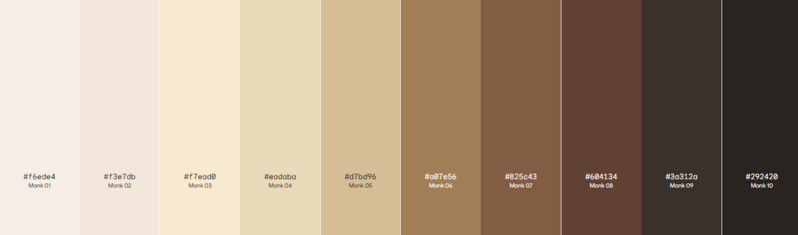
Let's talk numbers. Regions with predominantly eumelanin-dominant skin populations (Monk Skin Tone Scale 5-10) make up a significant portion of the global population. Africa, Asia, Latin America, and India, not to ignore those living in North America and Europe represent massive markets easily numbering in the billions. Ignoring this demographic is not only ethically questionable but also a serious business blunder.
The Growing Power of the Eumelanin-Dominant Consumer:
The beauty industry is witnessing a seismic shift. Consumers with eumelanin-dominant skin are increasingly demanding products that cater to their specific needs. They are savvy, informed, and possess significant purchasing power. The days of "lighter is better" are fading, replaced by a celebration of diverse beauty.
It's important to recognize that populations with eumelanin-dominant skin represent a large and economically influential consumer base, particularly in rapidly growing markets. Yet they have been historically underserved by the skincare industry, a disparity often rooted in prejudice and a lack of understanding that perpetuates a cycle of underrepresentation.

The Business Blunder: Niche Brands Filling the Gap:
While major labs and brands stumble, smaller, niche brands are capitalizing on this massive gap. These brands are investing in research, formulating with eumelanin-dominant skin in mind, and building genuine connections with their target audience. They're reaping the rewards, gaining market share and building loyal customer bases.
The Health and Beauty Consequences of Neglect:
The lack of testing on eumelanin-dominant skin has serious health and beauty consequences:
Ineffective Products: Products designed for lighter skin may not address the unique concerns of eumelanin-dominant skin.
Adverse Reactions: Ingredients that are safe for lighter skin may cause irritation, allergic reactions, or even hyperpigmentation in eumelanin-dominant skin.
Loss of Credibility: Brands that ignore the needs of a significant portion of their potential customer base risk losing credibility and trust.
Misdiagnosis and Mistreatment: Lack of research and training on skin of color leads to misdiagnosis and improper treatment of skin conditions, causing further harm.
The Call to Action:
The time for change is now. We must demand transparency and accountability from the skincare industry. We must insist on clinical trials that reflect the diversity of the global population, and especially the needs of those with eumelanin-dominant skin.
What You Can Do:
Ask Questions: When purchasing skincare products, ask brands about their testing practices and whether they have conducted trials on eumelanin-dominant skin.
Support Inclusive Brands: Choose brands that prioritize diversity and inclusivity in their research and product development.
Spread Awareness: Share this information with your friends and family.
The beauty industry has a responsibility to serve all consumers, regardless of skin tone. By demanding inclusivity and transparency, we can create a more equitable and effective skincare landscape for everyone.